
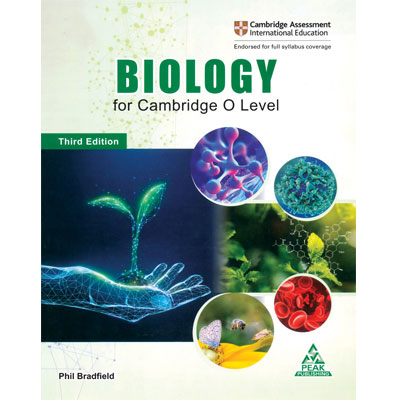

Biology for Cambridge O Level – Third Edition
Biology for Cambridge O Level is one of the most popular and essential subjects for students preparing for the Cambridge O Level examinations. This subject not only builds a strong foundation in life sciences but also opens the door to advanced studies in medicine, genetics, biotechnology, agriculture, environmental science, and many other fields. With an increasing number of students choosing Cambridge qualifications worldwide, the demand for high-quality Biology resources and structured study techniques has grown significantly. In this article, we explore the key features, benefits, syllabus structure, exam preparation tips, and reasons why Biology for Cambridge O Level is an ideal choice for learners around the world.
What Is Biology for Cambridge O Level?
Biology for Cambridge O Level is a comprehensive curriculum designed to introduce students to the fascinating world of living organisms, their structure, functions, life processes, and interactions with the environment. The syllabus provides a balanced approach, combining theoretical understanding with practical scientific skills. It encourages learners to become curious, analytical, and observant—qualities essential for scientific studies.
This course is suitable for students aged 14–16 and prepares them for further education including Cambridge International AS & A Level Biology and related science courses.
Key Features of the Biology for Cambridge O Level Syllabus
The syllabus covers a wide range of biological concepts that help students develop strong scientific knowledge and practical skills. Some major topic areas include:
1. Cell Structure and Organization
Students learn about different cell types, cell components, and their functions. Understanding cells is fundamental because they form the building blocks of all living organisms.
2. Biological Molecules
This section introduces carbohydrates, proteins, fats, enzymes, and their roles in living systems.
3. Nutrition in Plants and Animals
Learners explore photosynthesis, human nutrition, digestive processes, and diet-related health issues.
4. Transportation in Plants and Animals
The syllabus explains systems like the xylem, phloem, blood, heart function, and circulatory processes.
5. Respiration and Excretion
Students gain knowledge of aerobic and anaerobic respiration, kidney functions, and waste removal mechanisms.
6. Reproduction and Growth
This part covers both plant and human reproduction, fetal development, and growth patterns.
7. Coordination and Response
Nervous systems, hormones, stimuli, and responses are explained to help students understand how organisms adapt to their environment.
8. Homeostasis
The syllabus describes temperature control, osmoregulation, and the importance of maintaining internal balance.
9. Ecology and Environment
Students study food chains, ecosystems, conservation, pollution, and the impact of human activities on nature.
10. Biotechnology
Modern biotechnology topics such as genetic engineering, fermentation, and industrial applications are also included.
Benefits of Studying Biology for Cambridge O Level
1. Strong Scientific Foundation
The curriculum provides a solid understanding of biological principles, preparing students for higher-level biology and medical studies.
2. Practical Application
The emphasis on experiments and laboratory skills helps learners develop scientific thinking, data analysis, and problem-solving abilities.
3. Globally Recognized Qualification
Cambridge O Level is accepted by universities and institutions across the world, making it a valuable academic achievement.
4. Development of Lifelong Skills
Students gain observation skills, critical thinking, teamwork, and the ability to evaluate scientific data—all essential for future careers.
5. Better Understanding of Life and Health
Biology explains human body functions, diseases, nutrition, and environmental issues, promoting a healthier lifestyle and responsible citizenship.
Study Tips for Excelling in Biology for Cambridge O Level
1. Understand, Don’t Memorize
Biology is concept-based. Instead of memorizing definitions, focus on understanding processes like photosynthesis, circulation, respiration, etc.
2. Use Diagrams and Visuals
Labelled diagrams are crucial for exams. Practice drawing cells, organs, systems, and biological processes accurately.
3. Practice Past Papers
Solving Cambridge past papers helps students understand question patterns, marking schemes, and time management.
4. Create Short Notes
Summarizing chapters in your own words helps retain information better and makes revision easier.
5. Perform Practical Experiments
Hands-on experiments deepen conceptual understanding and prepare students for practical components of the exam.
6. Learn Scientific Terminology
Use flashcards to memorize key terms such as osmosis, transpiration, enzymes, mitochondria, and homeostasis.
Why Biology for Cambridge O Level Is Valuable for Future Careers
Studying Biology for Cambridge O Level can lead to exciting career paths such as:
- Medicine and surgery
- Nursing and midwifery
- Biotechnology
- Agriculture and food science
- Environmental science
- Microbiology
- Genetics and molecular biology
- Pharmacy
- Marine biology
These professions contribute to health, research, environmental protection, and technological development worldwide.
Conclusion
Biology for Cambridge O Level is an excellent subject for students who are passionate about understanding life, exploring scientific processes, and developing practical skills. The syllabus is designed to support analytical thinking, problem-solving, and scientific inquiry—preparing learners for future academic and professional success. Whether you aim to pursue medicine, research, or environmental studies, this qualification builds the perfect foundation for your goals. With structured study, practice, and the right resources, students can excel in the Cambridge O Level Biology examination and open the door to a world of exciting possibilities.





Reviews
There are no reviews yet.